

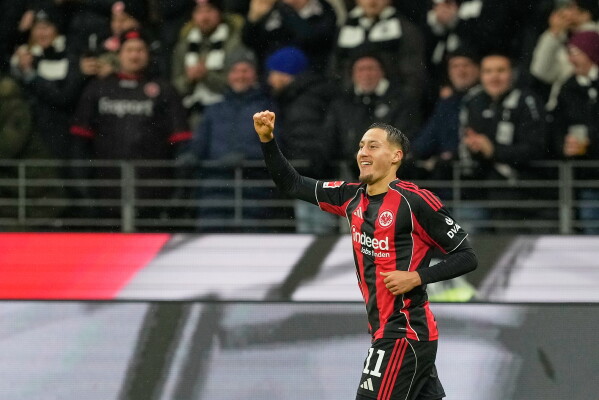
Draws made up a meaningful chunk of the 2021/22 Bundesliga season, but they were not evenly spread across teams or fixtures. When you look at how styles, strengths and situations interacted, certain match‑ups clearly leaned toward stalemates more often than others, offering draw backers a way to move beyond “lucky 1–1” thinking.
Why Draw‑Prone Pairings Are A Real, Repeatable Pattern
A draw is a natural outcome whenever two sides are closely matched, risk‑averse, or structurally set up to neutralise each other’s strengths. In a league like the Bundesliga—where overall scoring is high but quality is quite compressed from mid‑table down—those conditions arise frequently. Mid‑table clubs with similar goal differences often produce balanced xG and shot counts, which over time translate into a relatively high proportion of level scorelines.
This isn’t mystical; it is the logical outcome of symmetric resources and incentives. When neither team wants to over‑commit because a point is acceptable and losing is costly, tactical caution pulls the result distribution toward 1–1 and 0–0 rather than toward big wins. For bettors, recognising those set‑ups beforehand shifts the draw from a long‑shot punt to a targeted, value‑tested idea.
Structural Factors That Push A Fixture Toward A Draw
Some characteristics of teams and match‑ups consistently pushed 2021/22 Bundesliga games closer to the draw zone. These are not about names, but about how each fixture is likely to play out tactically and statistically.
Core factors associated with draw‑leaning fixtures (2021/22 model)
| Factor | Cause | Likely on‑pitch pattern | Draw impact |
| Similar goal difference and points | Comparable quality levels | Balanced chances, neither side clearly superior | Raises probability of level scorelines over time |
| Compact, organised defences on both sides | Emphasis on shape and low risk | Few clear chances, many duels in midfield | Increases chances of 0–0, 1–1 finishes |
| Limited attacking creativity | Lack of final ball and individual match‑winners | Long spells without high‑quality shots | Keeps scorelines tight even when one leads |
| High stakes where a single point helps both | Safety first to avoid defeat | Late‑game risk‑management instead of all‑out attack | Encourages settling for a draw in last 20 minutes |
When several of these factors overlap—similar quality, cautious styles, modest attacks and acceptable shared incentives—the draw becomes a natural centre of gravity around which the odds should be interpreted.
Using Season‑Long Data To Flag Draw‑Prone Teams
While full draw tables for 2021/22 require detailed databases, the logic for using them is straightforward. Season stats show how many matches each team drew, as well as the distribution of scorelines (0–0, 1–1, 2–2) and how often they were level at half‑time or full‑time. Teams with higher‑than‑average draw counts almost always shared two traits: relatively modest goal differences and many tight games decided by a single goal or not at all.
Looking back at 2021/22, mid‑table clubs that finished with small positive or negative goal differences tended to sit in this category. They were strong enough not to lose heavily but not incisive enough to convert balanced matches into frequent wins. The betting implication is that when these “tight‑game” sides met each other—especially with no huge injuries or tactical shifts—pre‑match probabilities of a draw were structurally higher than in fixtures involving explosive attacks or fragile defences.
Building A Draw‑Oriented Pre‑Match Checklist
To turn the idea of “draw‑prone fixtures” into something you can actually use, you need a short, disciplined routine. Using 2021/22 as a template, you can check a series of conditions before you even look at the price.
- Compare each team’s goal difference and points. If both are clustered around mid‑table with modest goal differences, quality is likely similar and games often hinge on small margins.
- Check draw counts and proportion of one‑goal matches. Teams that drew often or played many 1–0, 1–1 and 2–1 games typically operate in fine margins rather than blowouts.
- Look at attacking metrics (goals, xG) vs defensive metrics (goals against, xGA). Balanced profiles—medium attack, medium defence—support draw outcomes more than extreme ones.
- Factor in context: table position, recent form and stakes. In late season, matches where a point is useful to both teams (e.g., avoiding relegation, protecting a European place) tilt toward conservative play.
- Confirm styles: compact vs compact, or risk‑averse vs satisfied mid‑table. Press conferences and tactical previews can indicate whether coaches intend to play safe.
Only when several of these boxes are ticked does the draw move from an interesting thought to a position that can be logically argued before you see the odds.
When A “Draw Game” Still Becomes A Win Or Loss
Even fixtures with strong draw indicators do not end level most of the time—draws remain a minority result in Bundesliga matches. Individual errors, early red cards or lucky bounces can still push outcomes toward 2–0 or 1–2, especially in a league with high overall scoring.
The crucial point is that draw‑leaning variables shift the probability distribution, not guarantee an outcome. In a match where the unadjusted chance of a draw might be around 25%, strong draw factors might reasonably nudge that estimate higher, perhaps into the low‑30s. If the market price implies a much lower probability than your justified estimate, a draw bet or double‑chance position (e.g. home‑or‑draw) can be considered value‑driven rather than purely hopeful.
Using Draw Analysis Inside A Betting Platform
In practical terms, draw bets compete with 1X2, handicaps and totals in any football‑focused betting website. To keep your process grounded, you can use draw analysis as a filter rather than as a default: on a full Bundesliga coupon, you first shortlist fixtures where your checklist suggests symmetric quality, conservative styles and helpful incentives, then compare the actual draw price to your estimated probability. If the numbers line up, you might allocate a small, consistent stake to these positions and track performance over time—logging each decision you route through a given website or app, so you can see whether your draw‑oriented reasoning actually outperforms random stabs.
How casino online Contexts Can Distort Draw Thinking
In multi‑product gambling environments dominated by ยูฟ่า168 games and highlight reels, draws are emotionally unattractive; many bettors prefer backing winners, favourites and overs. On a casino online website, that cultural bias can lead markets to be shaped more by demand for “action” than by sober draw probabilities, especially in televised matches. At the same time, the same environment can push users into contrarian “all‑draw” systems that ignore context, chasing long odds without proper analysis. Keeping to a structured checklist, and treating each draw bet as an evaluation of balance and caution rather than as a statement of personality, is how you stay on the analytical side of that line.
Mechanism: Why Certain Match‑Ups Gravitate Toward Level Scores
The mechanism behind draw‑heavy fixtures is fairly simple: when both teams’ attacking strengths are roughly matched by the opponent’s defensive organisation, net expected goals on each side converge. Over many 90‑minute samples, that convergence produces a higher share of 0–0 and 1–1 outcomes than in games where one team’s attack clearly overwhelms the other.
Conditional Scenarios Where Draw Probability Spikes
Draw probabilities in 2021/22 were particularly sensitive to a few recurring conditions. In late‑season matches where a point mathematically secured survival or Europe for one or both teams, coaches often switched to risk‑management once the score reached parity, reducing the late push for a winner. Similarly, in first legs of two‑legged ties or in league games sandwiched between major fixtures, both sides sometimes accepted a draw as a tolerable outcome, playing within themselves and limiting transition risk.
Recognising those conditional scenarios—compressed risk appetite, shared incentives, and tactical symmetry—helps you identify when a fixture is not only even on paper, but also set up psychologically and strategically to drift toward a level result.
Summary
In the 2021/22 Bundesliga, draws clustered around specific types of fixtures: meetings between teams of similar strength, with compact structures, modest attacking edges and incentives that rewarded caution over chaos. By reading goal differences, draw counts, xG/xGA balance and situational stakes together, you can flag match‑ups where a level outcome is more likely than the league‑wide baseline, and then test whether the draw price truly underestimates that risk.
