

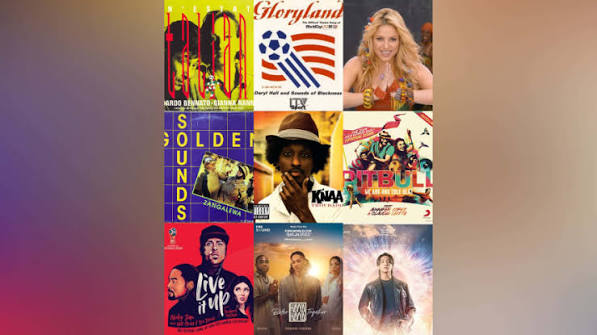
World Cup anthems might seem like pure decoration, but they quietly frame how we feel and think when we sit down to watch a tournament game. When a song breaks out of its role as a tournament jingle and becomes a global hit, it builds an emotional soundtrack that colours our memory of specific matches, stadium atmospheres, and even how we interpret momentum and drama on the pitch.
Why World Cup Songs Matter for Match Viewing
Official World Cup songs and anthems are deliberately designed as global pop, usually upbeat, multi-lingual, and rhythmically simple enough to work in stadiums, fan parks, and TV montages. For viewers, that means the same musical motif reappears before kick-off, during highlight packages, and in broadcast intros, priming you emotionally before a ดูบอลไลฟ์สด โกลแดดดี้ is kicked and giving each tournament a distinct “sound” you associate with pressing, goals, and late comebacks.
The Evolution from Simple Themes to Global Pop Hits
Early World Cup music leaned more toward national-flavoured marches or orchestral themes, but from the 1990s onward, FIFA shifted toward mainstream pop collaborations with global reach. By the time of songs like “La Copa de la Vida” in 1998 and later “Waka Waka (This Time for Africa)” in 2010, the soundtrack had become an intentional part of tournament branding, with chart performance and music videos reinforcing the visual images fans saw in match broadcasts.
What Makes a World Cup Anthem Truly “Hit-Level”
Only a handful of official songs achieve the status where they are remembered as much as the football, and they tend to share specific traits: strong hooks, simple singalong choruses, and lyrics broad enough to fit any match narrative. Tracks like “La Copa de la Vida”, “Wavin’ Flag” and “Waka Waka” combined percussion-heavy rhythms, call-and-response phrases, and global pop voices, making them easy to layer over clips of goals, celebrations, and crowd shots without feeling tied to one team or moment.
Here is an illustrative snapshot of some widely recognised World Cup songs and how they map onto viewing experiences (without quoting any lyrics):
| Tournament | Official song / key track | Artist(s) | Viewing impact |
| 1998 France | “La Copa de la Vida / The Cup of Life” | Ricky Martin | High-energy Latin pop that matched a tournament filled with attacking football and memorable nights, often used over goal montages and trophy lifts. |
| 2010 South Africa | “Waka Waka (This Time for Africa)” plus “Wavin’ Flag” in campaigns | Shakira; K’naan | Rhythms and visuals tied directly to African imagery and fan culture, which helped viewers associate vuvuzelas, colour, and wide shots of crowds with a specific sound. |
| 2014 Brazil | “We Are One (Ole Ola)” | Pitbull feat. Jennifer Lopez and Claudia Leitte | Carnival-infused pop that paired with beach and stadium visuals, reinforcing Brazil’s reputation for party-like atmospheres even when match tactics were conservative. |
| 2026 North America (announced) | “Dai Dai” and “Game Time” (among others) | Shakira, Burna Boy, Future, Tyla | Up-tempo tracks designed to overlay a multi-country tournament, signalling a global, cross-genre sound that broadcasts can use to stitch together games across three nations. |
For viewers, these songs become shorthand for a tournament’s emotional tone: even years later, hearing a hook can instantly recall specific games, tense penalty shootouts, or late equalizers you watched live. That recall effect is why broadcasters lean so heavily on a small set of tracks; they amplify the sense that every match is part of one shared, global story.
How Songs Frame What You Feel Before and After Matches
When you tune into a broadcast and hear the same anthem at the opening montage, you unconsciously connect it to prior match images: dramatic saves, celebrations, and shots of fans in tears or ecstasy. Over the course of a tournament, that repetition means the music acts almost like an emotional xG model: it signals that a match matters, that something big could happen, and it frames even cautious games inside a narrative of excitement and unity.
If you regularly ดูบอลสด during a World Cup, you notice that the anthem appears at key points: pre-game intros, half-time highlight reels, and post-match review packages. Seeing the same slow-motion replays of goals and tactical sequences set to the same chorus teaches your brain to file those matches under a shared memory tag, which is why some fans can recall specific pressing patterns or counter-attacks just from hearing the opening bar years later.
How World Cup Music Interacts with On-Pitch Tactics and Atmosphere
Although songs do not change tactics, they do shape the overall viewing atmosphere into which tactical patterns are dropped. A high-tempo anthem can make an already pressing-heavy, transition-focused tournament feel even more breathless, while a more atmospheric track pairs better with wide camera shots that linger on choreography in the stands and slow build-up play.
From a match-analysis perspective, the key is to be aware of how production choices—music, crowd noise levels, and replay rhythm—can amplify or soften your perception of intensity. For example, a tournament remembered for end-to-end games may partly owe that memory to the way broadcasters paired clips of attacks and counter-attacks with up-tempo anthems, even if the underlying data shows plenty of slower, tactical matches in between.
How the Role of Songs Has Expanded in Recent Tournaments
In recent World Cups, music has expanded beyond a single official song into a whole package: main anthems, fan festival tracks, regional collaborations, and social-media‑friendly snippets. This wider soundtrack allows broadcasters and platforms to tailor different songs to different moments—goal compilations, behind-the-scenes tunnels footage, or tactical explainers—while still keeping a common sonic identity for the whole tournament.
For viewers, this means the same match can be remembered through multiple musical lenses: an explosive fan anthem tied to crowd shots, a more reflective song for documentary-style recaps, and shorter hooks that accompany statistical graphics or tactical breakdowns. That multi-track approach increases the chances that at least one song “sticks” and becomes the personal soundtrack you associate with studying pressing structures, build-up patterns, or specific teams’ tactical profiles.
Why Some Official Songs Fail to Stick with Viewers
Not every World Cup song becomes a global hit; some disappear quickly because they lack a distinctive hook, feel too generic, or do not match the host’s visual and cultural identity. When an anthem fails to catch on, fans and broadcasters often fill the gap with unofficial favourites, terrace chants, or regional hits that better capture what the tournament actually feels like on TV and in stadiums.
For match-focused viewers, a forgettable song means you are more likely to recall a tournament through specific matches and tactical narratives rather than through a unified soundtrack. That is not necessarily negative, but it shows how important it is when a song and tournament vibe align: when they do, both casual and analytical fans have an easier time mentally organising hundreds of viewing hours inside one coherent emotional frame.
Summary
The most successful World Cup songs become more than background noise; they turn into emotional anchors that shape how we remember and rewatch tournaments. By paying attention to how anthems are used around kick-offs, montages, and classic highlights, you can better understand why certain tournaments feel so vivid when you think back—and how music quietly influences your experience every time you settle in to watch another World Cup match.
