

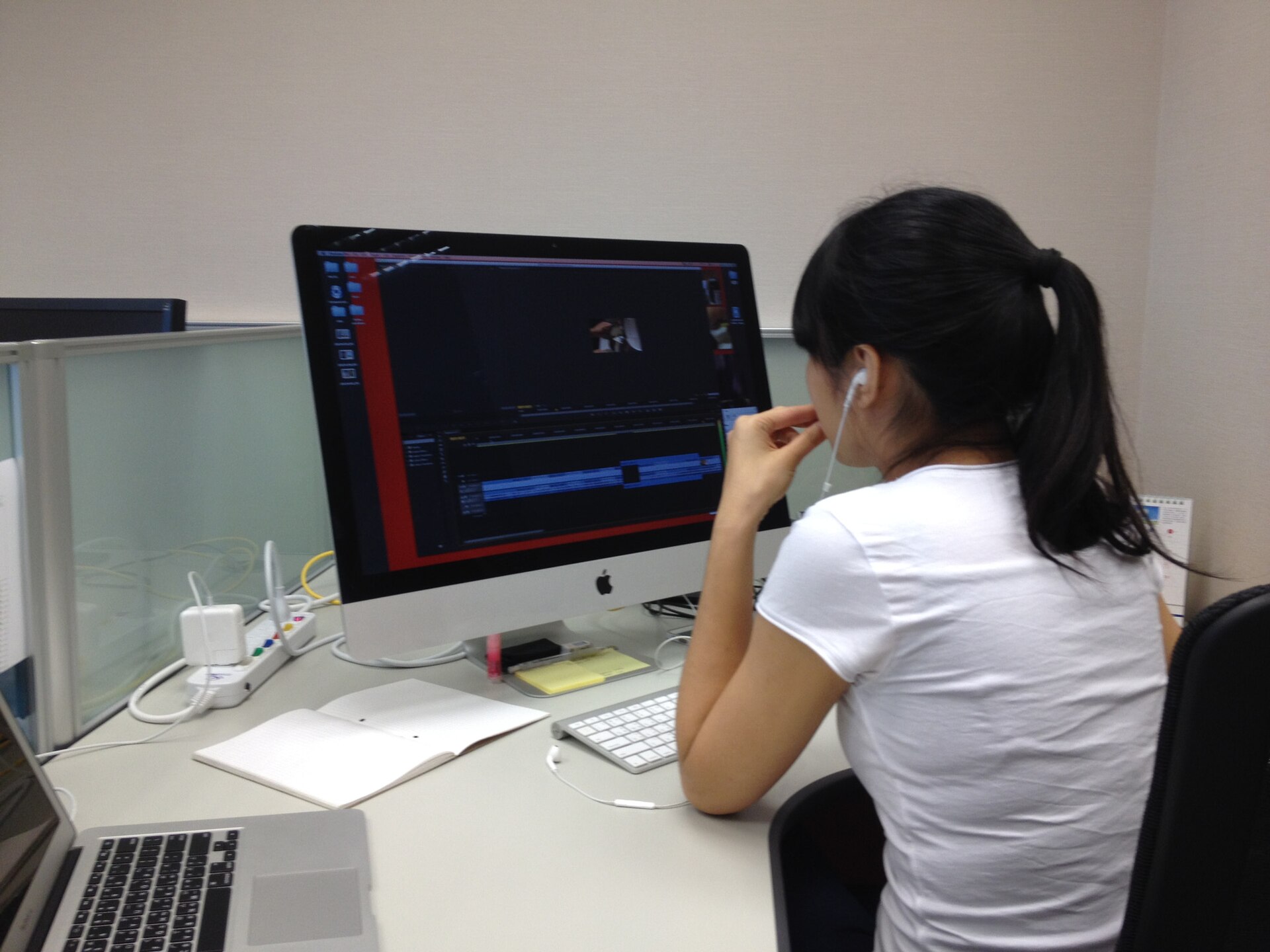
First came chatbots that answered questions. Now come AI agents that do jobs: booking, filing, reconciling, researching and writing, often across several applications at once. Adoption is moving faster than the rulebooks, which is why the smartest organisations are pairing every deployment with clear boundaries, logging and human review. Autonomy, it turns out, is a management discipline as much as a technology.
Where agents earn their keep first
The early wins are unglamorous: invoice matching, data entry between systems, first drafts of routine documents, meeting notes turned into tasks, and customer queries resolved from a knowledge base. These tasks are high-volume, rule-bound and easy to audit, which makes errors cheap to catch. Creative and judgement-heavy work remains human-led, with agents in supporting roles — researching, summarising and preparing options rather than deciding.
For more coverage of the stories shaping the day, visit our homepage and the latest reporting in Business & Economy.
New jobs around the agents
Agent fleets are creating work even as they absorb it. Teams now employ people to design agent workflows, curate the data agents may use, review their output and handle the exceptions they escalate. “Agent operations” is becoming a function in its own right, blending process design, quality control and risk. The parallel with early industrial automation is striking: the machines changed jobs more than they eliminated them.
What good governance looks like
The organisations getting this right share habits: a registry of every agent and its permissions, least-privilege access by default, rehearsed kill switches, and regular audits of outcomes rather than intentions. They also start small — one workflow, measured properly — before scaling. None of this slows adoption much; it is what makes adoption defensible when an agent eventually does something expensive or embarrassing in public.
Further reading: OECD work on artificial intelligence.
What an agent actually does all day
An AI agent differs from a traditional program in how it handles the unexpected. Given a goal such as “prepare the monthly sales pack”, it breaks the job into steps, gathers data from different systems, drafts the document, notices gaps and asks for missing figures — behaviour closer to a junior analyst than to a macro. That flexibility is the point, and also the risk: an agent that can improvise a solution can also improvise a mistake, confidently and at scale.
The supervision layer
Mature deployments wrap agents in oversight. Every action is logged, spending and data access are capped, and sensitive steps — sending money, emailing customers, deleting records — pause for human approval. Some firms now run monitoring software that watches agent behaviour for anomalies, the digital equivalent of a supervisor walking the floor. The pattern mirrors how companies learned to govern any powerful delegation: trust, but instrument everything.
Working well alongside agents
- Give each agent one clear job before giving it three.
- Keep a human approval step anywhere money or customers are touched.
- Read the logs weekly; surprises hide in routine output.
- Start with a pilot workflow and measure it honestly.
Why this matters now
The timing is not accidental. Language models crossed a usefulness threshold at the same moment businesses came under pressure to do more with flat headcounts, and agents are where those two curves meet. What is being decided in today’s pilot programmes — which tasks may be delegated, which must stay human, and how anyone can tell the difference after the fact — will harden into the default management practice of the next decade. Companies that treat this as an experiment with rules will learn cheaply; companies that deploy first and govern later are volunteering to learn expensively, in public, with regulators taking notes.
The agent era will reward companies that treat autonomy as something to be managed, not merely bought. The software is ready to work; the open question is whether our supervision is ready for the software.
