

Introduction
Choosing the right 3D printing material can make a huge difference in the quality, strength, and appearance of your finished projects. Among the many filament options available today, PETG has become one of the most trusted materials for hobbyists, educators, engineers, and professional manufacturers. It combines many of the best qualities of PLA and ABS, making it a dependable choice for users who want durable prints without dealing with excessive warping or difficult printing conditions. Whether you are producing prototypes, mechanical parts, household tools, or decorative models, PETG offers an excellent balance of strength, flexibility, and ease of use.
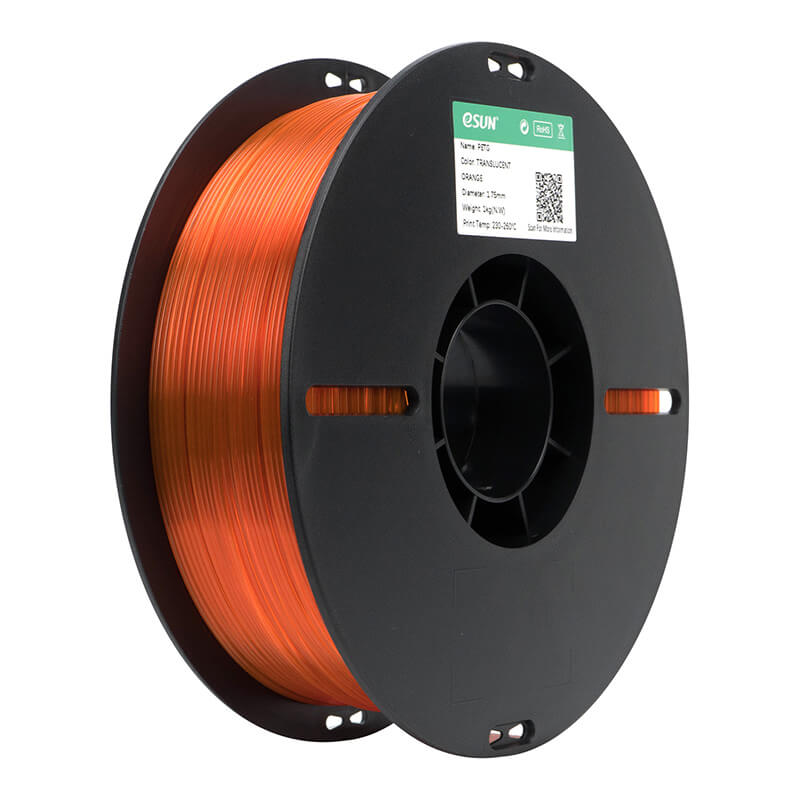
PETG-Basic is designed to provide many of these same benefits while offering a reliable and consistent printing experience for everyday users. Brands like eSUN have built a strong reputation for producing quality PETG Filament that delivers stable performance across different 3D printers. Through the innovations found on esun, users can find materials that support accurate printing, excellent layer bonding, and dependable results for personal and commercial applications. This guide explains professional printing techniques with PETG and PETG-Basic while helping you understand why these materials continue to rank among the best filament choices for modern FDM 3D printing.
Why PETG and PETG-Basic Have Become Popular Choices
PETG has earned its place as one of the most widely used materials in desktop 3D printing because it offers an impressive combination of mechanical strength and printability. Unlike some materials that require highly controlled environments, PETG prints successfully on many standard FDM printers while producing strong and durable parts. Its excellent layer adhesion creates solid models that resist cracking, making it useful for both functional and decorative applications. Many users appreciate that PETG is less brittle than PLA while remaining easier to print than ABS, creating an ideal middle ground for countless projects.
PETG-Basic builds on these advantages by providing consistent material quality and reliable extrusion that supports smoother printing from beginning to end. Products available through esun are developed with strict manufacturing standards that help reduce common printing problems such as bubbles, clogging, and inconsistent flow. This makes PETG-Basic an attractive option for beginners who want dependable results and experienced makers who value repeatable performance during long printing sessions. As a result, many professionals now recommend PETG Filament as one of the best all-around materials for everyday production.
Professional Printing Techniques That Improve PETG Print Quality
Successful PETG printing begins with proper printer preparation and carefully selected settings. One of the most important techniques is maintaining the correct nozzle and heated bed temperatures. While exact values may vary depending on your printer and filament brand, PETG generally performs well at higher extrusion temperatures than PLA. A heated print bed improves first-layer adhesion and reduces the chance of warping during larger prints. Clean build surfaces also play an important role because oils and dust can reduce bed adhesion and affect print quality.
Professional users also focus on slower and more controlled printing speeds when working with PETG and PETG-Basic. Moderate speeds allow the filament to flow consistently while improving layer bonding and reducing stringing. Retraction settings often require careful adjustment because PETG behaves differently than PLA during travel movements. Cooling should also be balanced instead of using maximum fan speeds throughout the print. Gentle cooling allows each layer to bond effectively while maintaining the material’s natural strength. These professional techniques help produce cleaner surfaces, stronger components, and more reliable results across a wide variety of applications.
How eSUN PETG Filament Supports Reliable Printing Performance
Material consistency is one of the most important factors in professional 3D printing, and this is where quality manufacturers make a noticeable difference. eSUN has developed a reputation for producing PETG Filament with stable diameter tolerance and dependable extrusion characteristics. These manufacturing standards help minimize print failures while improving dimensional accuracy and surface finish. Whether users are printing engineering prototypes or creative projects, consistent filament quality contributes directly to successful printing outcomes.
The products available through esun are designed to support users with different experience levels and project requirements. PETG-Basic offers dependable performance that makes it suitable for schools, workshops, home makerspaces, and commercial production environments. Reliable winding, carefully controlled moisture content, and quality raw materials all contribute to smoother feeding and fewer interruptions during long print jobs. These advantages help users achieve professional-looking results while reducing wasted material and printing time, making PETG one of the strongest recommendations for reliable everyday 3D printing.
Best Applications for PETG and PETG-Basic in Modern 3D Printing
One reason PETG continues to grow in popularity is its versatility across many industries and creative fields. Engineers often use PETG to manufacture functional prototypes because it combines strength with moderate flexibility. Mechanical brackets, protective covers, electronic enclosures, and machine components all benefit from PETG’s excellent durability and impact resistance. Educational institutions also rely on PETG for classroom projects because it produces dependable prints while requiring less maintenance than more demanding engineering materials.
PETG-Basic is equally suitable for makers creating household tools, storage organizers, replacement parts, plant accessories, display models, and personalized gifts. Its attractive surface finish allows decorative objects to look professional while maintaining practical strength for daily use. Small businesses frequently select PETG Filament for low-volume manufacturing because it provides reliable mechanical performance without requiring expensive industrial equipment. This broad range of applications explains why PETG consistently ranks among the best filament materials for users seeking both quality and versatility.
Common PETG Printing Challenges and Simple Solutions
Even though PETG is considered beginner-friendly, every material has its own printing characteristics that require proper understanding. One common issue is stringing, which appears as thin strands of plastic between different sections of a print. This can often be improved by carefully adjusting retraction settings, reducing unnecessary travel movements, and selecting appropriate printing temperatures. Another challenge involves excessive first-layer adhesion, where prints become difficult to remove from the build plate. Using recommended build surfaces and following manufacturer guidance helps prevent damage to both the printed model and the printer bed.
Moisture absorption is another factor that can affect PETG print quality over time. Like many thermoplastics, PETG performs best when stored in dry conditions. Sealed storage containers and proper filament handling help maintain consistent extrusion while preventing bubbles and rough surface finishes. Professional users also perform regular printer maintenance by cleaning nozzles, checking extrusion systems, and calibrating print beds before beginning important projects. Following these simple maintenance practices allows PETG and PETG-Basic to deliver dependable performance across thousands of printing hours.
Choosing the Best PETG Filament for Your Printing Projects
Selecting the right PETG Filament involves more than simply comparing prices. Material consistency, manufacturing quality, customer support, and proven brand reputation all contribute to successful printing experiences. High-quality PETG should provide smooth feeding, accurate diameter control, strong layer adhesion, and predictable mechanical properties. Choosing trusted manufacturers helps reduce failed prints while improving overall efficiency, especially for users producing functional components or commercial products.
eSUN has become a recognized name in the 3D printing industry by focusing on material quality, innovation, and continuous product improvement. Through esun, users can explore PETG, PETG-Basic, and other advanced filaments developed for different printing needs and skill levels. Whether you are starting your first 3D printing project or managing professional production work, selecting dependable PETG Filament from an established manufacturer helps create stronger parts, cleaner finishes, and more consistent printing performance. Investing in quality materials ultimately saves time, reduces waste, and improves satisfaction with every completed print.
Conclusion
PETG continues to stand out as one of the most dependable materials in FDM 3D printing because it successfully combines strength, durability, flexibility, and ease of use. PETG-Basic further enhances accessibility by offering stable performance for both beginners and experienced professionals who need reliable results across a wide range of applications. From engineering prototypes and functional components to creative home projects, these materials deliver the balance of performance that modern makers expect from high-quality filament.
When choosing PETG Filament, selecting a trusted manufacturer plays an important role in achieving consistent print quality and long-term success. The materials available through esun reflect a commitment to dependable manufacturing standards and practical performance that supports users at every experience level. By applying professional printing techniques, maintaining proper printer settings, and using quality PETG or PETG-Basic, you can produce durable, accurate, and attractive 3D printed parts that meet the demands of personal, educational, and professional projects alike.
