

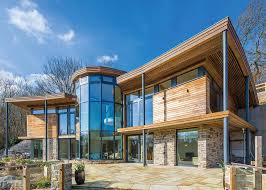
As utility bills creep upward, finding ways to cut back on energy consumption has become a priority for many families. Building a home that naturally stays warm in the winter and cool in the summer might sound like magic, but it actually relies on a very practical approach known as passive design.
Passive design works with the local climate to maintain a comfortable indoor environment. Instead of relying heavily on mechanical heating and cooling systems, it uses the sun, wind, and building materials to do the heavy lifting. By carefully considering how a house interacts with its surroundings, homeowners can dramatically reduce their energy needs while enjoying a healthier living space.
The Key Principles of Passive Design
Creating an energy-efficient space requires thoughtful planning. Builders and architects focus on several core elements to make a house work in harmony with nature.
Orientation and Site Analysis
The direction a home faces plays a massive role in its energy efficiency. Positioning living areas to capture winter sunlight helps warm the house naturally, while keeping harsh afternoon heat away from bedrooms.
Natural Ventilation Strategies
Capturing cooling breezes can easily replace the need for air conditioning. Well-placed windows and doors allow cross-ventilation, drawing fresh air through the home and flushing out built-up warmth.
High-Performance Insulation and Glazing
Think of insulation as a protective blanket. High-quality wall and ceiling insulation, paired with double-glazed windows, prevents heat from escaping during colder months and keeps the interior beautifully cool when temperatures rise outside.
Thermal Mass Utilization
Materials like concrete, brick, and stone have high thermal mass. They absorb heat during the day and slowly release it as the temperature drops at night. This natural cycle helps stabilize indoor temperatures without flicking a switch.
Shading and Daylighting
Strategically placed eaves, awnings, and landscaping block the harsh summer sun while allowing gentle winter rays to enter. This clever use of daylight reduces the need for both artificial lighting and mechanical cooling.
Why Homeowners Love Passive Design
Living in a home designed with these environmental principles brings a host of fantastic advantages.
Reduced Energy Bills
Because you depend far less on heaters and air conditioners, your monthly utility costs drop significantly.
Enhanced Indoor Comfort
These homes maintain an even, comfortable temperature year-round. You completely avoid the drafts and cold spots often found in older, conventional builds.
Environmental Impact and Sustainability
Using less energy means shrinking your carbon footprint. It is a practical, everyday way to support a healthier planet.
Increased Property Value
Energy-efficient homes are highly sought after in the current real estate market. Buyers easily recognize the long-term savings, which can give your property’s resale value a healthy boost.
Bringing Passive Principles to Modern Living
Applying these concepts requires local expertise and a deep understanding of regional weather patterns. The climate in South Australia, for example, demands specific strategies to handle scorching summers and chilly winters. This is where experts in Custom Design Homes Adelaide truly shine.
When you plan to build, working with experienced professionals makes all the difference. Builders at the Rendition Group understand how to weave passive design seamlessly into beautiful, functional spaces. By prioritizing Custom Design Homes Adelaide, you ensure your floor plan maximizes natural light and ventilation specific to your unique block of land.
The Rendition Group takes a holistic approach to the building process. They analyze site orientation, select the right thermal mass materials, and install optimal shading. Because they specialize in Custom Design Homes Adelaide, they can tailor every aspect of the build to meet high energy-efficiency standards. Ultimately, partnering with the Rendition Group means your new house will not only look stunning but will perform brilliantly against the elements.
Build Smart for the Future
Passive design offers a clear path to creating comfortable, sustainable, and affordable homes. By working with the natural environment rather than fighting it, you can enjoy a living space that feels great year-round while keeping utility costs firmly in check.
If you are planning to build your dream home, make energy efficiency a core part of your vision. Thoughtful planning early in the process pays off for decades to come.
