

Building a home is a deeply personal experience. You want a space that feels comfortable, reflects your personality, and provides a safe haven for your family. But as we become more aware of our environmental footprint, the conversation around home building is shifting. It is no longer just about aesthetics and square footage. Homeowners are increasingly focused on creating living spaces that actively reduce their impact on the planet.
Sustainable home design merges beautiful architecture with environmentally conscious building practices. By making smart choices during the planning and construction phases, you can significantly lower your carbon footprint. A thoughtfully designed green home works in harmony with its surroundings, using fewer natural resources while offering an exceptional standard of living.
Principles of Eco-Friendly Home Design
Creating an environmentally conscious home starts with a few core principles. These elements work together to minimize waste and maximize efficiency.
Energy Efficiency
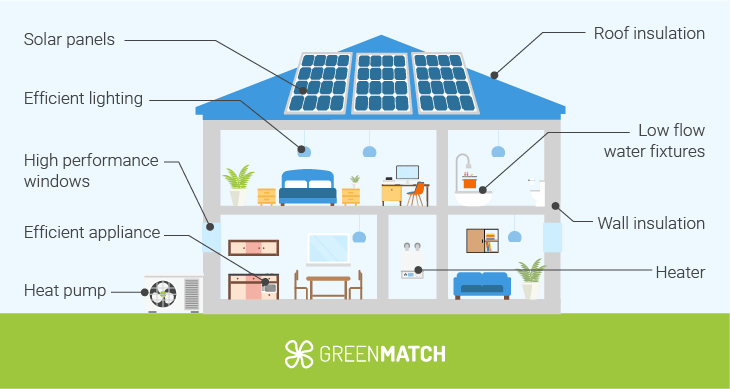
A truly sustainable home requires less energy to heat, cool, and operate. High-quality insulation and double-glazed windows keep the indoor temperature stable, reducing the need for artificial heating and cooling. Adding smart home technology takes this a step further. Automated thermostats and lighting systems adjust to your daily habits, ensuring you only use power when you actually need it.
Sustainable Materials
The materials used to build your house have a massive environmental footprint. Eco-friendly design prioritizes sourcing recycled or rapidly renewable resources. Bamboo flooring, reclaimed wood, and recycled steel are excellent options. These materials reduce the demand on virgin forests and mining operations. As an added bonus, they often bring a unique, organic charm to your living space.
Water Conservation
Fresh water is a precious resource, and sustainable homes are built to use it wisely. Installing low-flow showerheads and dual-flush toilets can drastically cut down on daily water consumption. Many homeowners also incorporate rainwater harvesting systems. These systems collect runoff from the roof, storing it for garden irrigation or even indoor plumbing needs.
Designing for Your Environment
A crucial aspect of green building is tailoring the house to the specific climate and geography of the land. A design that works well in a snowy mountain region will not be efficient in a hot, dry coastal area.
Custom Design Homes Adelaide
For those living in South Australia, the local climate presents unique opportunities and challenges. Exploring Custom Design Homes Adelaide allows you to build a house that naturally adapts to hot summers and mild winters. Proper orientation captures cooling cross-breezes and maximizes natural sunlight during the cooler months. By focusing on Custom Design Homes Adelaide, homeowners can ensure their property leverages local environmental conditions to reduce reliance on grid energy.
A Thoughtful Building Approach
Choosing the right builder is just as important as the design itself. Companies like Rendition Group understand how to integrate these sustainable practices seamlessly. Rendition Group focuses on methods that respect the local ecosystem while delivering high-quality craftsmanship. When you partner with experienced professionals such as Rendition Group, the process of navigating eco-friendly materials and energy-efficient systems becomes much easier. The expertise provided by Rendition Group ensures that your custom build meets both your lifestyle needs and your environmental goals. Furthermore, when selecting Custom Design Homes Adelaide, working with a knowledgeable team guarantees that local sustainability regulations and best practices are met.
Benefits of an Environmentally Friendly Home
Opting for an eco-friendly build offers advantages that extend far beyond environmental stewardship.
Reduced Utility Costs and Long-Term Savings
Green homes are incredibly efficient. Because they require less energy to control temperature and less water for daily use, monthly utility bills drop significantly. While sustainable materials and solar panels might require an initial investment, the long-term financial savings are substantial.
Healthier Living Environment
Eco-friendly homes are generally healthier places to live. Builders often use non-toxic paints, sealants, and finishes, which improve indoor air quality. Better ventilation systems prevent moisture buildup, reducing the risk of mold and allergens.
Contributing to a Greener Future
Every sustainable choice you make during the building process helps preserve natural resources for future generations. By reducing carbon emissions and minimizing waste, your home becomes a quiet but powerful force for positive environmental change.
Building a Beautiful, Sustainable Future
Designing a home that reduces environmental impact is a rewarding endeavor. It allows you to create a sanctuary that aligns with your values. By focusing on energy efficiency, sustainable materials, and climate-specific architecture—especially through Custom Design Homes Adelaide—you can build a property that is both stunning and responsible. With the right planning and partners like Rendition Group, your dream home can pave the way for a greener, brighter future.
