

It lines your digestive tract, makes up a significant share of your immune system, and — according to a fast-growing body of research — may influence everything from your mood to your metabolism. The gut microbiome, the trillions of microbes living in the human digestive system, has become one of the most studied frontiers in medicine. And the latest research delivers an uncomfortable message for the modern diet: the ultra-processed foods that dominate supermarket shelves appear to be reshaping that inner ecosystem, and not for the better.
Ultra-processed foods — soft drinks, packaged snacks, instant noodles, reformed meats, most ready meals — now account for more than half the calories eaten in some countries. They are engineered for shelf life and cravings: refined starches and sugars, industrial oils, and a supporting cast of emulsifiers, sweeteners and flavorings that whole foods never contain.
What the new studies are finding
Controlled feeding studies have shown that diets heavy in ultra-processed products change the composition of gut bacteria within weeks, reducing microbial diversity — the single feature researchers most consistently link to a resilient gut. Diversity matters because a varied microbiome produces a wider range of beneficial compounds, including short-chain fatty acids that nourish the gut lining and calm inflammation.
Particular suspicion has fallen on certain additives. Some emulsifiers used to keep industrial foods smooth and stable have been shown in laboratory research to thin the protective mucus layer that separates gut bacteria from the intestinal wall. When that barrier weakens, bacterial fragments can trigger low-grade immune activation — a state increasingly connected, in the research literature, to metabolic disease. The National Institutes of Health now funds entire programs devoted to untangling which ingredients matter most.
Not all processing is the enemy
Nutrition scientists are quick to add nuance, and readers of News Headlines Daily will know the debate well. Pasteurized milk, canned beans, frozen vegetables and whole-grain bread are all processed, and several are genuinely nutritious. The concern is specifically with formulations built from refined ingredients and additives, designed to be eaten quickly and in quantity. Even researchers critical of the ultra-processed category warn against turning a useful warning label into a purity test no busy family can pass.
What helps the microbes helps the host
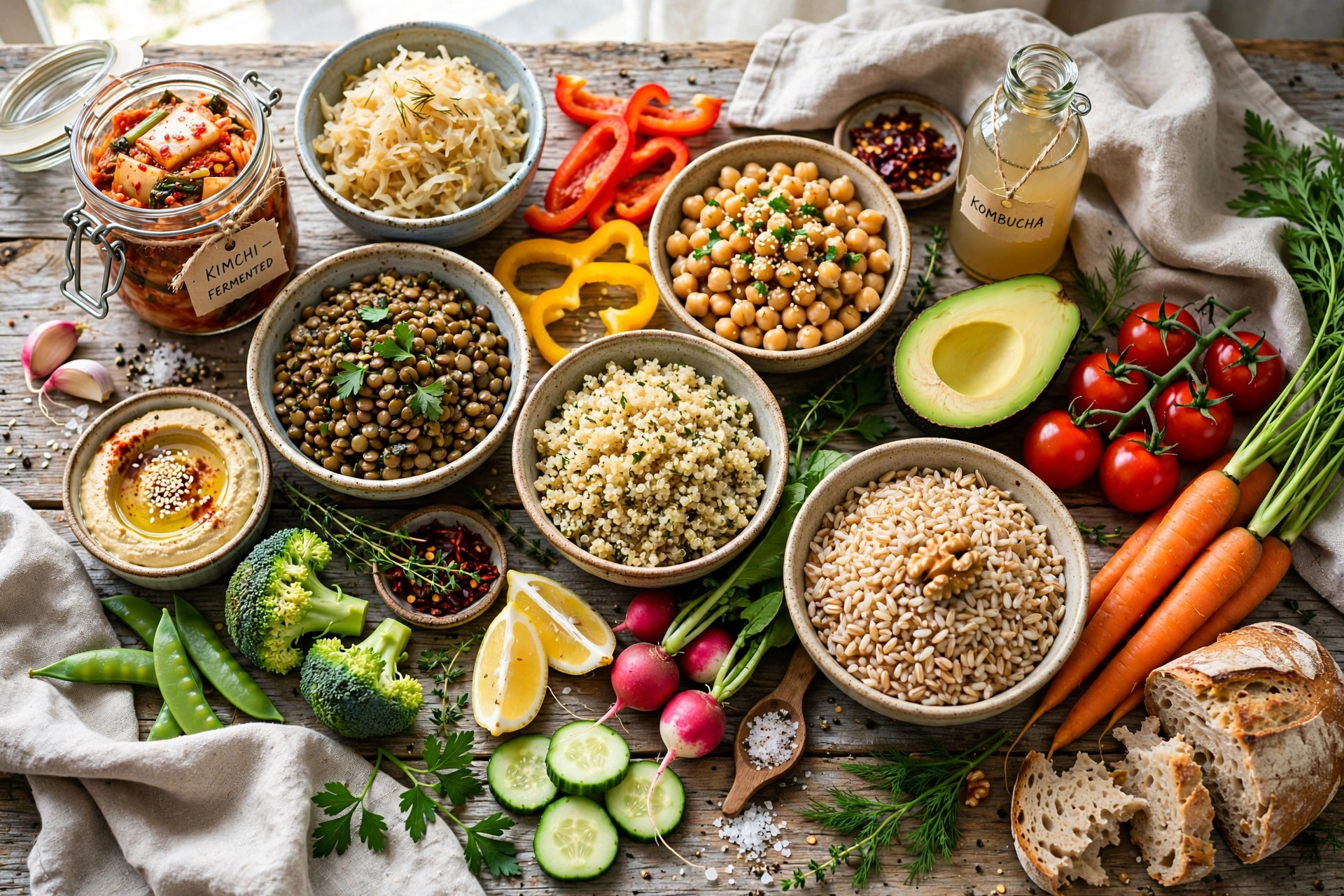
The encouraging half of the research is how responsive the gut is in the other direction. Diets rich in diverse plant fibers — vegetables, legumes, whole grains, nuts, fruit — consistently increase beneficial bacterial populations and the compounds they produce. Fermented foods such as live yogurt, kefir and kimchi appear to add microbial diversity of their own while reducing markers of inflammation, an effect demonstrated in controlled trials from leading nutrition labs.
Practical guidance from gastroenterologists has become refreshingly concrete: aim for variety rather than perfection, count plant types across the week rather than calories across the day, and treat ultra-processed staples as occasional rather than default. Our recent health coverage outlines the two-week eating pattern researchers used to measurably shift participants' gut profiles.
For shoppers trying to apply the research without a degree in nutrition science, dietitians suggest a simple shelf test rather than label lawyering. Ask whether the product could plausibly be made in a home kitchen from recognisable ingredients. Bread, plain yogurt and tinned fish pass easily. Products with long lists of syrups, modified starches, protein isolates and ingredients no home cook owns are the ones researchers group at the ultra-processed end. The test is imperfect — so is every classification system in this field — but studies of eating habits show that people who use rough rules like it tend to shift their overall diet in the direction the microbiome research recommends.
The bottom line
The science is young, and no honest researcher will claim the microbiome explains everything about modern disease. But the direction of evidence is consistent enough to act on: the gut is an ecosystem, it responds to what you feed it, and it starts responding within days. In a field full of expensive interventions, that may be the most useful finding of all — the cheapest prescription for a healthier gut is still a better grocery list.
