

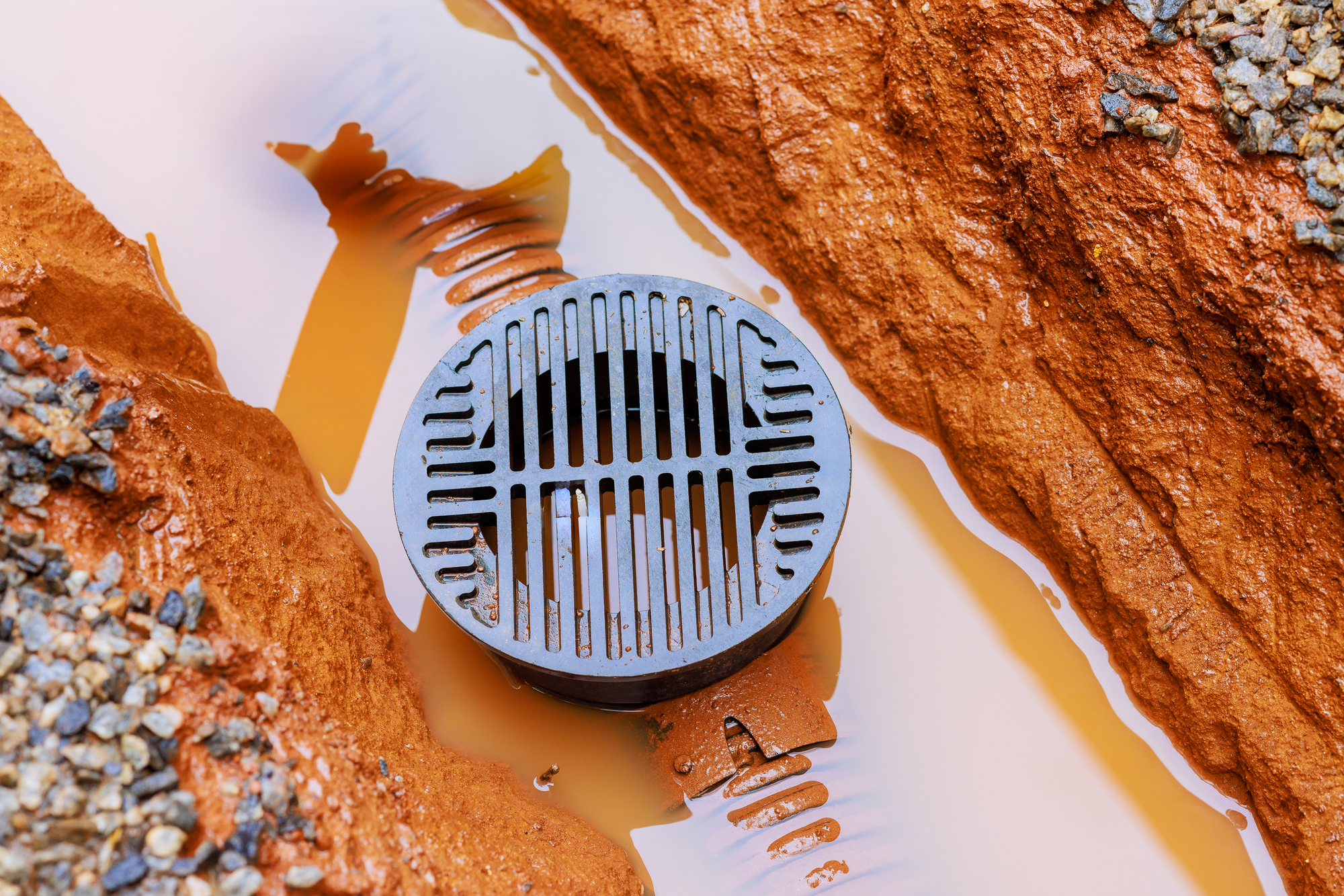
Few household problems are as frustrating as a blocked drain. You finish washing the dishes or taking a shower, only to find the water stubbornly pooling at the bottom of the sink or tub. Left unaddressed, a slow drain can quickly escalate into a complete blockage, leading to unpleasant odors, water damage, and costly repairs.
Understanding why your pipes get clogged is the first step toward keeping them clear. By identifying the usual suspects that disrupt your plumbing, you can take simple, everyday steps to maintain a healthy drainage system. Read on to discover the most frequent culprits behind drain blockages and how you can stop them in their tracks.
Common causes of blockages
Drain pipes are designed to handle water and human waste, but they often end up carrying a lot more. Over time, various materials accumulate inside your plumbing, restricting water flow.
Hair and soap scum
Take a look at your bathroom shower drain, and you will likely find the most common offender: hair. When loose hair washes down the drain, it frequently binds with soap scum. Traditional bar soaps leave behind a sticky residue that catches hair and debris, eventually forming a solid mass that severely restricts water flow.
Food waste and grease
Kitchen sinks take a lot of abuse during meal preparation and clean-up. Pouring cooking oil, grease, or fat down the sink is a major plumbing hazard. While these substances are liquid when hot, they solidify as they cool down inside your pipes. This hard layer then acts like a magnet for food scraps, coffee grounds, and other debris, eventually causing a stubborn blockage.
Foreign objects
Toilets and bathroom sinks are frequently clogged by items that should never be flushed. Flushable wipes, cotton swabs, feminine hygiene products, and even small children’s toys can easily lodge in the curved sections of your plumbing. Unlike toilet paper, these foreign objects do not break down in water, meaning they will sit in your pipes until manually removed.
Tree roots
Not all blockages start inside the house. Underground pipes hold a constant supply of moisture, which naturally attracts tree roots. Tiny feeder roots can enter your plumbing through microscopic cracks or loose joints. Once inside, they grow rapidly, acting like a net that catches everything flowing through the pipe until it is completely blocked.
Preventive measures
You do not need to be a plumbing expert to keep your pipes in good condition. A few mindful habits can save you from major headaches down the line.
Regular cleaning and maintenance
Pouring a kettle of boiling water down your kitchen sink once a week helps melt away minor grease buildup. For a deeper clean without harsh chemicals, pour half a cup of baking soda followed by half a cup of white vinegar down the drain. Let it sit for fifteen minutes, then flush it out with hot water. This natural reaction breaks down minor clogs and eliminates bad odors.
Proper waste disposal
Be strict about what goes down your drains. Keep a jar or can in the kitchen to collect used cooking oil and throw it in the trash once it cools. Scrape all food plates directly into the compost or garbage bin before washing them. In the bathroom, keep a small trash can next to the toilet to encourage family members to dispose of wipes, cotton swabs, and hygiene products properly.
Using drain screens
One of the cheapest and most effective ways to protect your plumbing is to install mesh drain screens in every sink, shower, and bathtub. These simple devices sit over the drain hole and catch hair, food particles, and soap chunks before they can enter your pipes. Just remember to empty them into the trash regularly.
Professional inspections
Sometimes, preventive habits aren’t enough to stop a deep, stubborn clog. When water drains slowly despite your best efforts, it is time to call a Blocked Drain Plumber Adelaide. Professional plumbers have access to advanced tools like hydro-jetting equipment and CCTV drain cameras. Booking a Blocked Drain Plumber Adelaide for an annual inspection can identify tree root intrusions or damaged pipes before they cause a massive backup.
If you are dealing with recurring drainage issues, the experts at Dead Short Electrical can help. A skilled team from Dead Short Electrical can assess your home’s systems and ensure everything is running smoothly and safely.
Keep Your Pipes Flowing Freely
A little prevention goes a long way when it comes to your home’s plumbing. By keeping grease out of the kitchen sink, using drain screens to catch loose hair, and knowing when to call in the professionals, you can protect your home from the stress of severe clogs. Start implementing these simple habits today, and enjoy the peace of mind that comes with free-flowing drains.
